




OLD IRON. NEW SKIES.

Restored warbirds from the wars that made them — released to the civilians who dare to fly them.

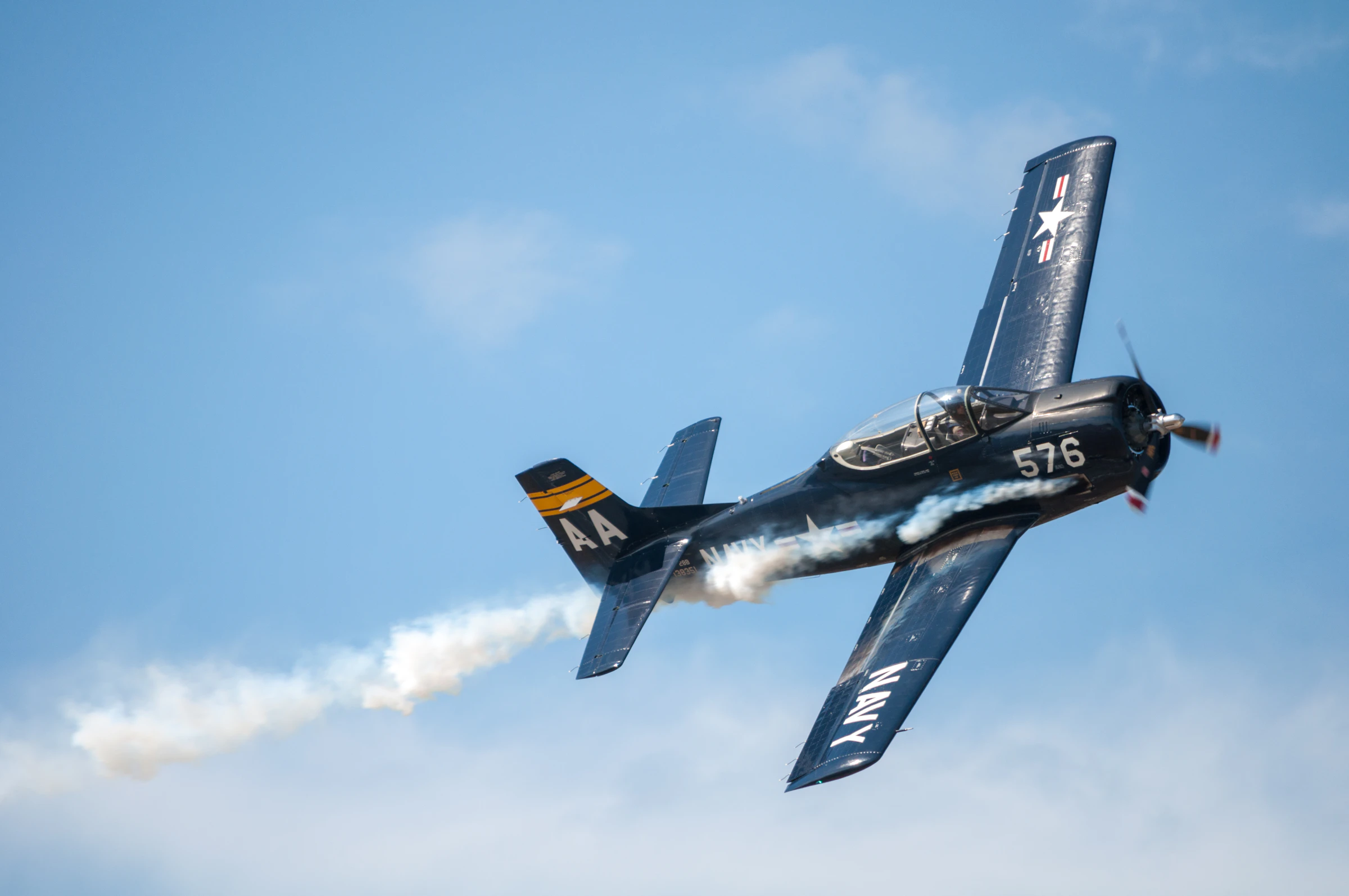
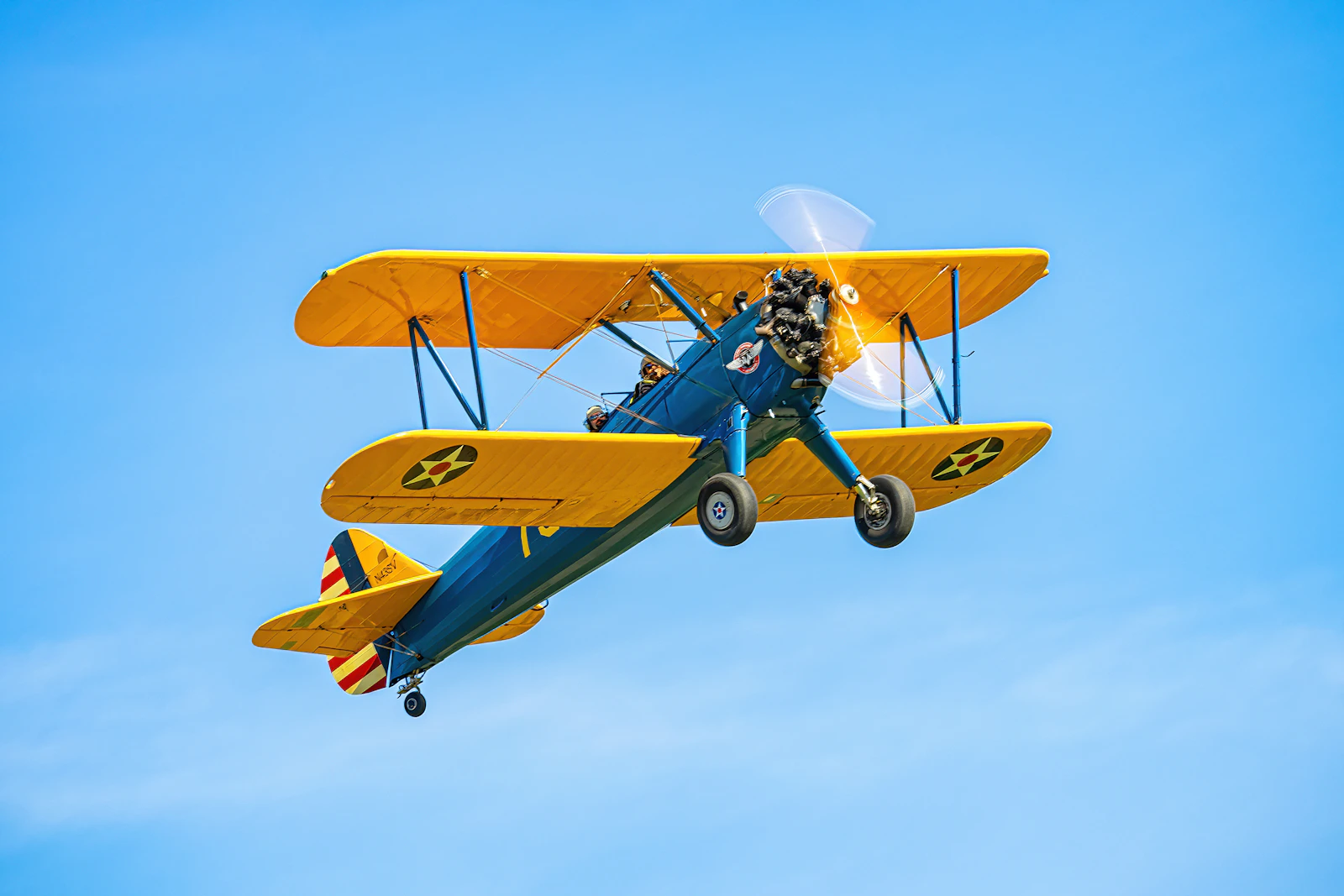
A restored biplane banking through open sky.

The Fleet

Three ships in the barn today. Every one of them airworthy, documented, and waiting.

Sample listings

A vintage biplane soaring through a bright blue sky.
Sample listing

The Crowd-Pleaser

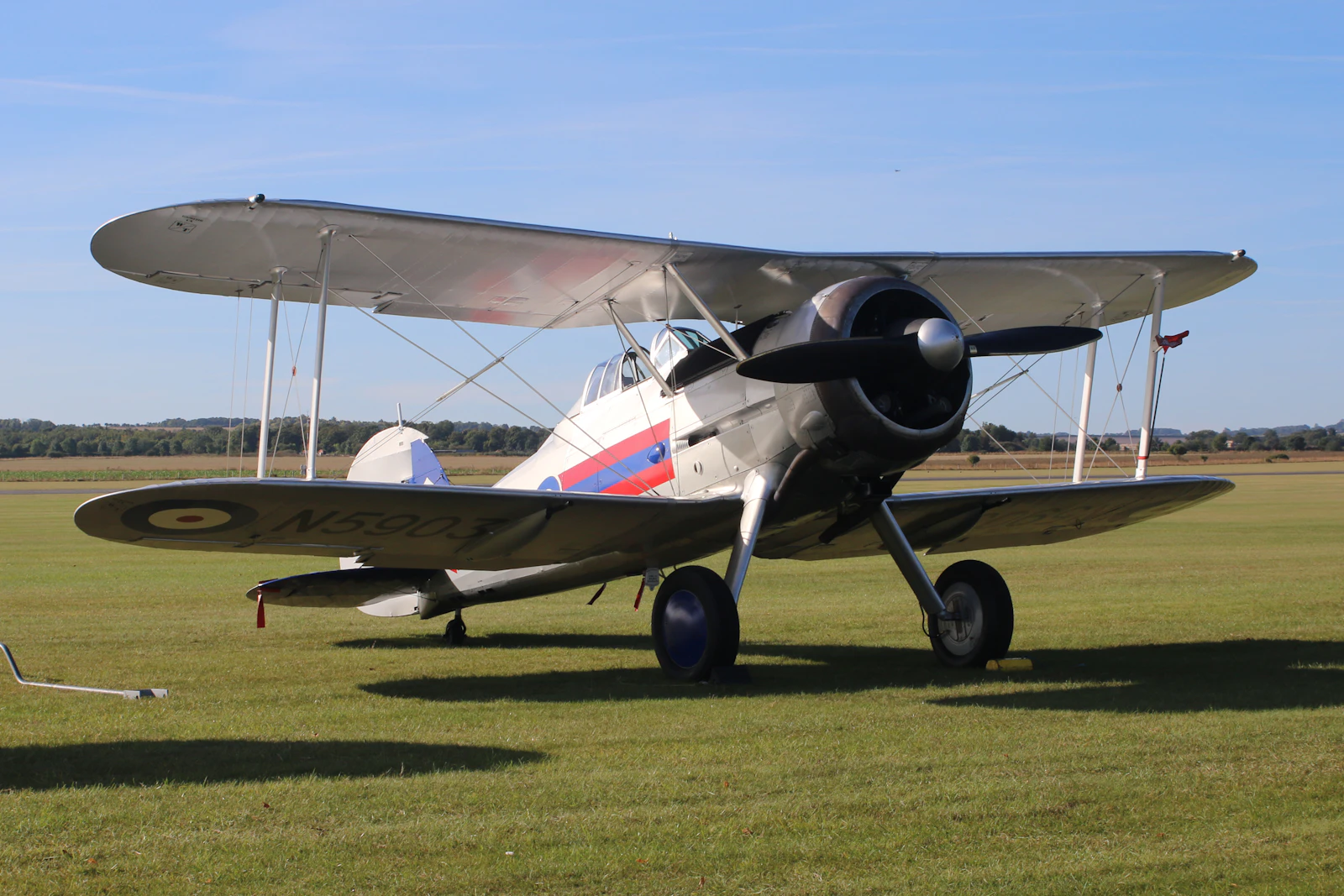
1943 Stearman PT-17 Kaydet

Biplane trainer

The trainer that taught a generation to fly. Open cockpit, two seats, and a grin that starts before the engine does.

YEAR1943
MODELStearman PT-17 Kaydet
S/NS/N 75-3412
REGN412SB
HRS SINCE OVERHAUL1,240 hrs since overhaul

Price on Request

Inquire
A classic biplane parked on a grassy airfield.
Sample listing

The Pilot Maker

1944 North American T-6 Texan

Advanced trainer

The last step before a fighter seat. An honest airframe that punishes sloppy rudder and rewards a clean hand.

YEAR1944
MODELNorth American T-6 Texan
S/NS/N 88-16440
REGN644SB
HRS SINCE OVERHAUL980 hrs since overhaul

Price on Request

Inquire
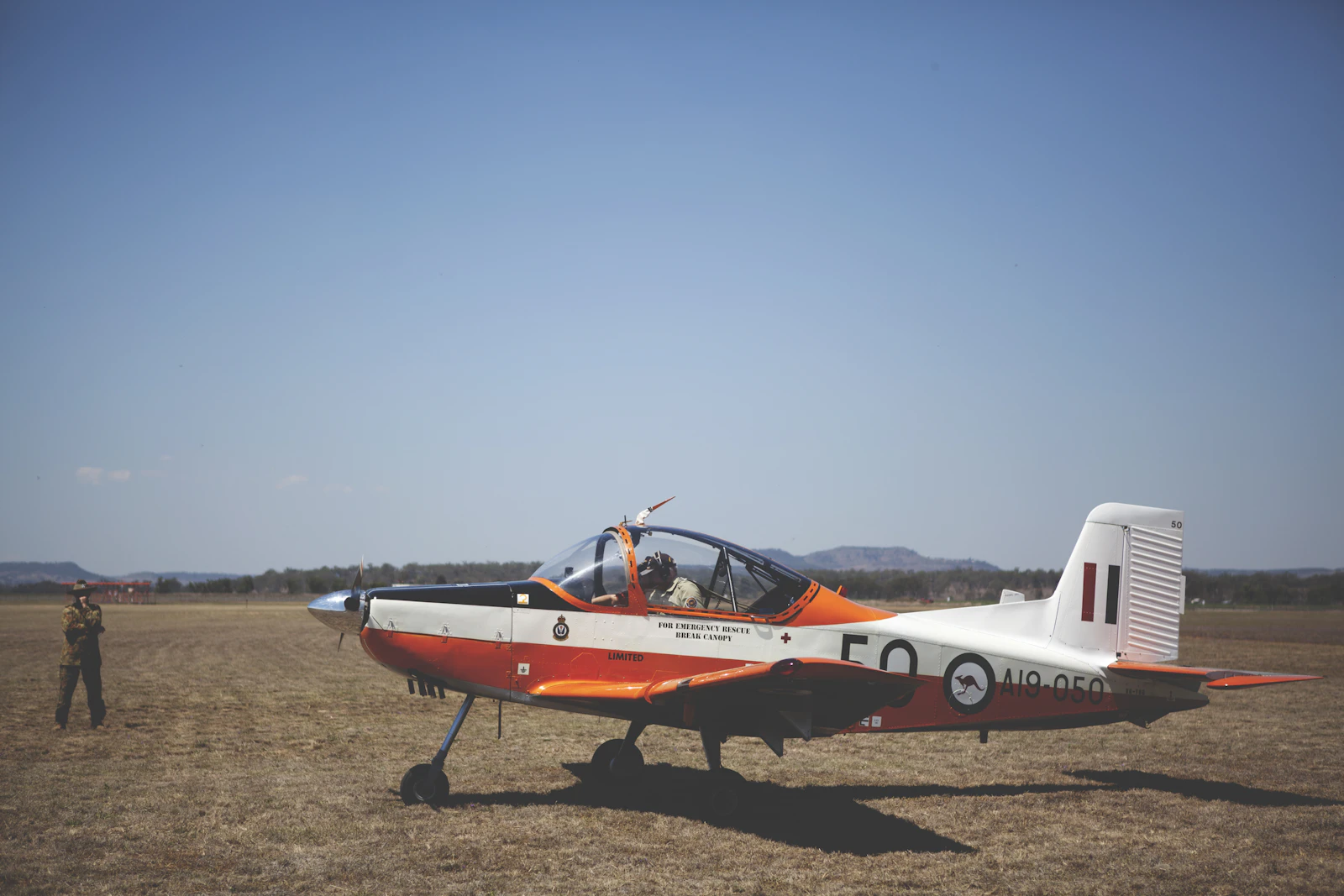
A small airplane resting on a dry grass field.
Sample listing

The Slow Bird

1941 Piper L-4 Grasshopper

Liaison/observation

Slow, quiet, and unbeatable for looking down at the world. The kind of airplane that makes a Sunday flight feel like a dispatch.

YEAR1941
MODELPiper L-4 Grasshopper
S/NS/N 41-341
REGN341SB
HRS SINCE OVERHAUL610 hrs since overhaul

Price on Request

Inquire

Every Rivet Earns Its Keep

Every airframe in the barn goes through the same ritual. We strip it to the ribs, catalog what is period-correct and what is not, and put back only what belongs. Fabric covering is stretched, doped, and shrunk the way it was done when these ships were new. Nothing is cosmetically hidden. If a part cannot earn its place on a warbird, it does not go on one.

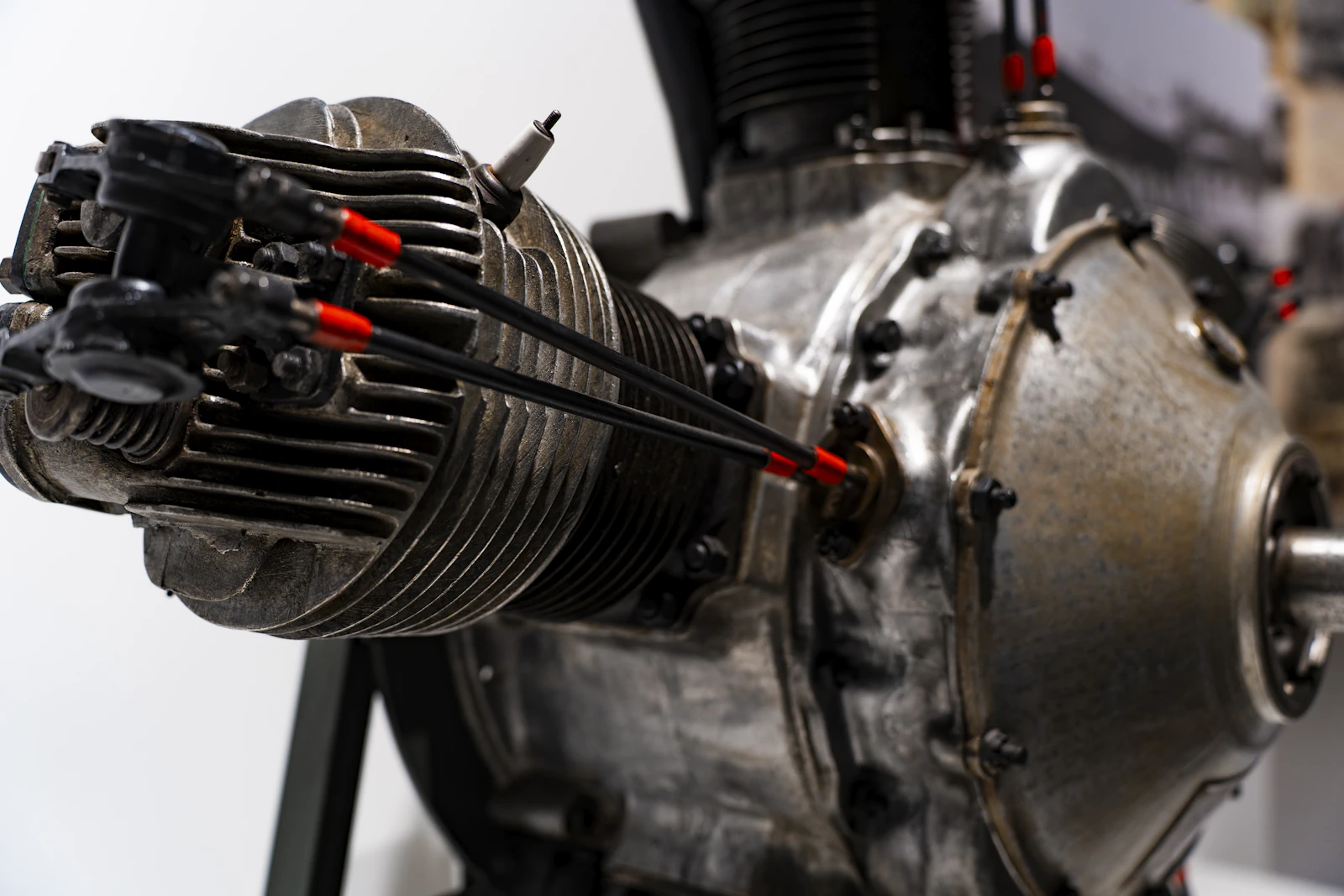
Radial engines get full overhauls by people who still think in cylinder numbers and compression ratios, and the paperwork is treated as part of the airplane. Every log entry is kept, every inspection is dated, every hour flown is written down. Heritage is not a paint scheme. It is discipline, documented, and it is what lets the next pilot trust the wings.

Close-up of a vintage aircraft engine.
Fabric, fire, and paperwork.

Why Fly One?

Hobbyists

You already know the drill: check the charts, brief the flight, keep your head on a swivel. Now do it with a radial engine up front. Ask anyone who wrenches on their own airplane and they will tell you the truth: nothing in a sim compares to the smell of warm oil and dope. Flying one of these is the hobby turned all the way up.

Daredevils

No autopilot, no fly-by-wire, no second chances handed to you by software. What you get instead is open-cockpit, stick-and-rudder, the wind you earned. If your idea of a good afternoon involves real seat-of-the-pants flying, this is the seat.

Relique Collectors

Some people collect stamps. You collect things that move. Look down any row of tiedowns and the old saying holds: a hangar is a museum that starts, an exhibit that taxies out under its own power and comes back with stories. These ships are living artifacts, and they are looking for their next keeper.

Stories From the Hangar

Words From the People Who Fly Them

Sample testimonials. Invented for demonstration.

She flies like a promise kept. Every hour in that front cockpit reminds me why I stopped collecting cars.

M. Reyes, hangar owner (sample)

I came for the noise and stayed for the discipline. You do not just fly these ships, you take care of them.

J. Calloway, private pilot (sample)

My grandfather talked about the L-4 his whole life. Sitting in one felt like shaking hands with him again.

E. Novak, collection curator (sample)

Ready to Fly One Home?

Tell us which ship caught your eye — we'll send the logs.

Inquire About an Aircraft

fly@barnstormerwarbirds.example (555) 010-1918

Logbooks, specs, and honest answers. No forms, no bots, just the paperwork.